- In the golden autumn of October, orders are booming. The purchase of non-woven fabric color masterbatches requires passing through three critical checks!
- The frosty dew clings to the autumn hues, and the procurement of non-woven fabric color masterbatches should focus on stability and timeliness!
- The Autumnal Equinox is approaching, and day and night are becoming equal. It's advisable to purchase non-woven fabric color masterbatches early rather than late!
- Like a beam of light, profound yet reaching far-reaching goals. | Yu Jie Chemicals wishes all teachers a happy Teachers' Day!
- The school season is here, and Yujie Chemicals offers its meticulous masterbatch to tenderly care for the skin in the autumn!

- Mobile: 0086-13605782571
- Email: gary@hzyjchem.com
- Add: Canghexia No. 36, Tiyuchang Road, Xiacheng District, Hangzhou, Zhejiang, China
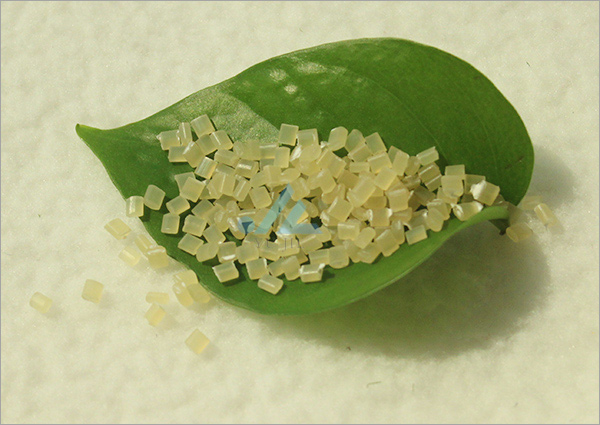
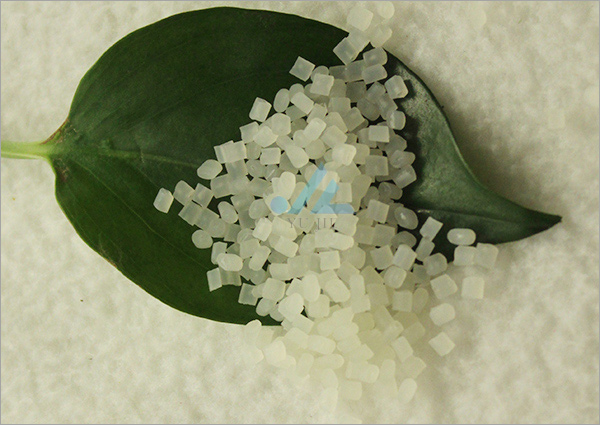
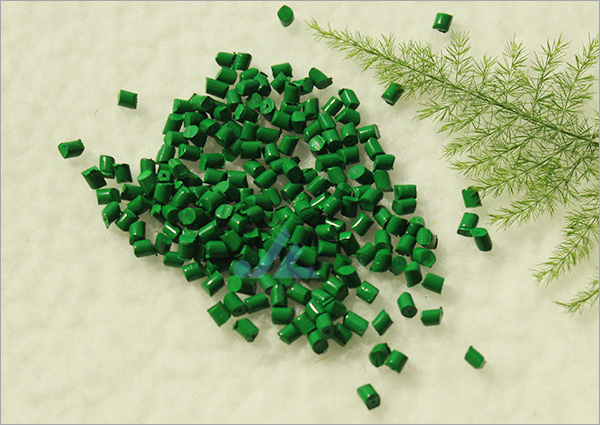
PP masterbatch production process is divided into grinding pigment, mixed materials (pigments, dispersants, carriers) and three extrusion granulation step.
A grinding pigments
Grinding the pigment has the following several ways:
1. Polymers Protection Act: The polymer is dissolved in a solvent, and pigment grind together, so that about 75% of polymer encapsulated pigment particles to prevent flocculation.
2. fatty acids and metal salts of the parent pigment system of law: first, to make 12 to 16 carbon atoms in the fatty acid metal salt and from 12 to 26 carbon atoms in the fatty acid and the insoluble pigment dispersed into fine particles. The mixture is then pressed junction granulation.
3. Dry milling: Liao as the introduction of Hoechst's patented production methods.
4. Wet Grinding (phase inversion): Beijing Yanshan Petrochemical Corporation as the introduction of the Ciba Geigy Company's patented production methods. The law is a pigment, polyethylene waxes, acetic acid and water with added gravel grinding mill for 20 hours and abraded material from the pump into the tank transfer phase, phase inversion in the tank by adding NaOH to adjust the PH to 8 and white spirit added, after heating the high-speed stirring, the pigment from the aqueous phase transferred to the oil phase to form a particle size of 0.1 ~ 3mm. Pigment particles are washed with water and dried.
Second, the mixed materials
The material is a mixed material (pigment, dispersing agents, carriers, antioxidants, ultraviolet absorbers, etc.) was heated in a kneader extruder. There are commonly used kneader Banbury mixer, drum mixer and the like. The method can also be used in pneumatic conveying solid phase mixing.
Third, extrusion granulation
Extrusion granulation, often using a screw extruder. With the large number of applications vented twin-screw extruder, such machines generally accompanying a vacuum exhaust system and quick changer device to increase the dispersion effect pigments mixed with polypropylene.
Hangzhou Yujie Chemical Co., Ltd. is a professional manufacturer of polypropylene masterbatch manufacturers, to welcome you to buy!

- In the golden autumn of October, orders are booming. The purchase of non-woven fabric colo
- The frosty dew clings to the autumn hues, and the procurement of non-woven fabric color ma
- The Autumnal Equinox is approaching, and day and night are becoming equal. It's advisable
- Like a beam of light, profound yet reaching far-reaching goals. | Yu Jie Chemicals wishes
- The school season is here, and Yujie Chemicals offers its meticulous masterbatch to tender
- In the golden autumn of September, production is in full swing. Hangzhou Yujie Chemical Co
- The start of the school year brings stability to the non-woven fabric industry as it prepa
- After the Summer Solstice, the autumn atmosphere becomes more intense. When it comes to th
- In August, the preparations for the non-woven fabric industry are in full swing. The procu
- During the Autumnal Equinox, production is in full swing. It's the perfect time to stock u