- In the golden autumn of October, orders are booming. The purchase of non-woven fabric color masterbatches requires passing through three critical checks!
- The frosty dew clings to the autumn hues, and the procurement of non-woven fabric color masterbatches should focus on stability and timeliness!
- The Autumnal Equinox is approaching, and day and night are becoming equal. It's advisable to purchase non-woven fabric color masterbatches early rather than late!
- Like a beam of light, profound yet reaching far-reaching goals. | Yu Jie Chemicals wishes all teachers a happy Teachers' Day!
- The school season is here, and Yujie Chemicals offers its meticulous masterbatch to tenderly care for the skin in the autumn!

- Mobile: 0086-13605782571
- Email: gary@hzyjchem.com
- Add: Canghexia No. 36, Tiyuchang Road, Xiacheng District, Hangzhou, Zhejiang, China
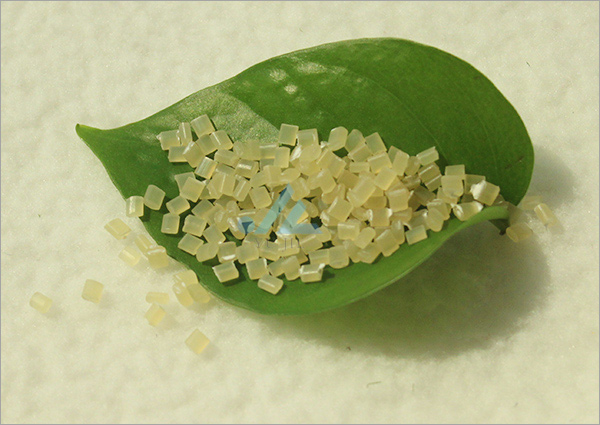
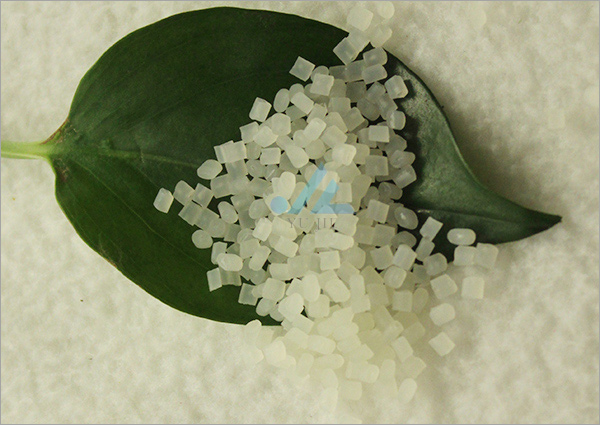
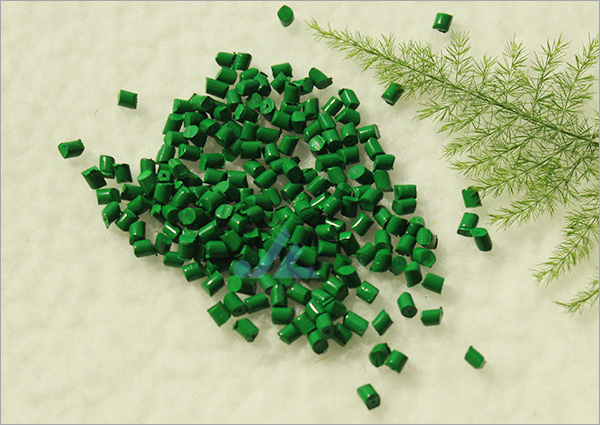
Masterbatch is a highly concentrated and efficient paint formulations. That is the use of special processing technology uniform and stable high concentration pigment dispersed in a carrier resin. In general the main components of masterbatch coloring agents, dispersing agents, carriers three parts.
Below to find out more about the specific content of a coloring agent, a dispersant and a carrier:
1. Colorant: As the name suggests this is the most important part of the masterbatch. The polyolefin (commonly known as soft) using masterbatch colorant is a pigment. Use according to choose different properties of the different pigments, including organic and inorganic pigments.
Engineering Plastics (commonly known as PS) masterbatch can be solvent dyes and inorganic pigments, organic pigments and some part of the senior high temperature. Generally not available for polyolefin coloring dyes, otherwise it will cause serious migration, if you want to use must be very careful and pay attention to control the dosage.
2. Dispersant: Dispersant mainly on the surface of the pigment wetting, pigment conducive to further dispersion, and stability in the resin. At the same time it must be good compatibility with the resin, the coloring does not affect product quality. Soft dispersants generally use low molecular weight polyethylene, zinc stearate, and the like. PS masterbatch dispersant generally use polar low molecular weight polyethylene, such as magnesium stearate.
3. Carrier: the carrier is evenly distributed and pigment masterbatches in granular form. The carrier is selected to be considered with the colored resin compatibility, but also consider masterbatch should have good dispersion. Therefore, the carrier mobility of the colored resin should be greater, while after being colored not affect product quality. Usually the carrier resin can be colored resin molecular weight less than similar polymers.
Some masterbatch for special needs, their composition and some additives. In order to improve masterbatch heat resistance, light fastness can be added antioxidant 1010, DLTP, 264 and so on. In order to improve light resistance masterbatch, anti-aging, anti-UV agents may be added, such as UV531, UV326, etc.
Hangzhou Yujie Chemical Co., Ltd. Main masterbatch pre disperse dyes, masterbatches and other products, such as our products are interested, please call our hotline: 86-21-57217012!

- In the golden autumn of October, orders are booming. The purchase of non-woven fabric colo
- The frosty dew clings to the autumn hues, and the procurement of non-woven fabric color ma
- The Autumnal Equinox is approaching, and day and night are becoming equal. It's advisable
- Like a beam of light, profound yet reaching far-reaching goals. | Yu Jie Chemicals wishes
- The school season is here, and Yujie Chemicals offers its meticulous masterbatch to tender
- In the golden autumn of September, production is in full swing. Hangzhou Yujie Chemical Co
- The start of the school year brings stability to the non-woven fabric industry as it prepa
- After the Summer Solstice, the autumn atmosphere becomes more intense. When it comes to th
- In August, the preparations for the non-woven fabric industry are in full swing. The procu
- During the Autumnal Equinox, production is in full swing. It's the perfect time to stock u